
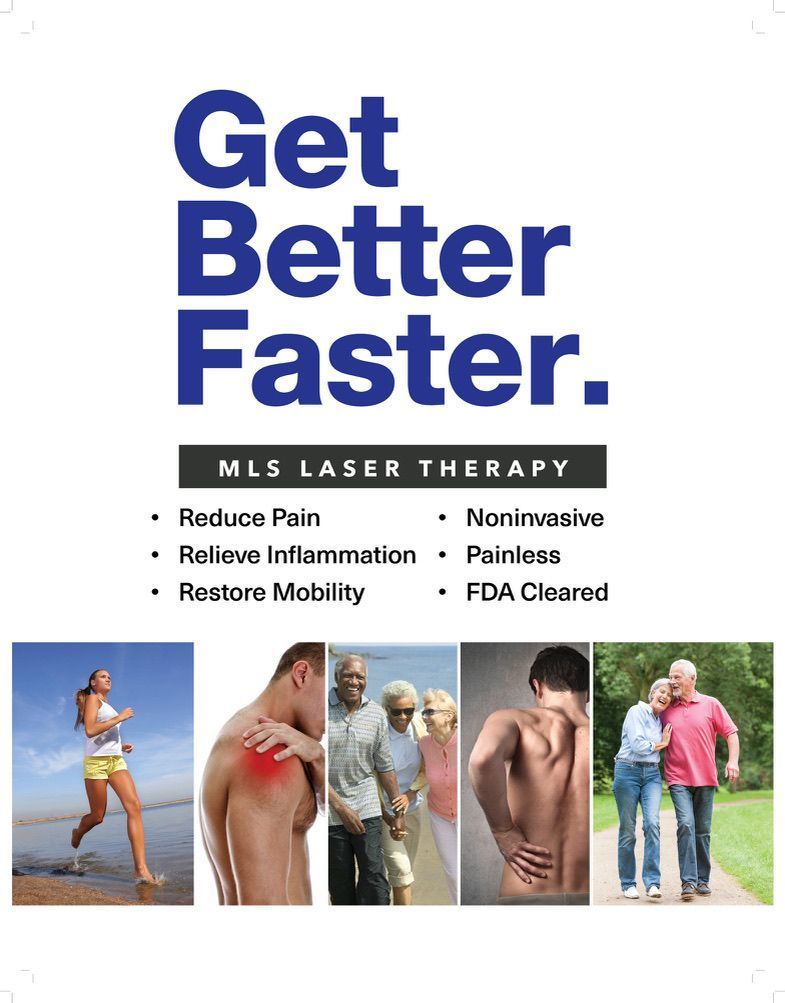
MLS Laser Therapy: Supporting Healing as Part of a Whole-Person Pain Plan Living with chronic pain can feel like your body is working against you. Pain may limit movement, drain energy, and make even simple tasks harder than they should be. If you are living with ongoing pain, you may be searching for treatments that feel gentle, safe, and supportive. MLS Laser Therapy is one option that may help as part of a broader pain management plan. What Is MLS Laser Therapy? MLS Laser Therapy is a non-invasive, drug-free treatment that uses specific wavelengths of light to support the body’s natural healing processes. Light energy may help reduce inflammation, support tissue repair, improve circulation, and calm pain signals. During treatment, the laser device is moved slowly over the painful area. Most people feel no heat or discomfort. What Makes MLS Laser Different? MLS stands for Multiwave Locked System. This technology uses two wavelengths of light at the same time, working together to help reduce inflammation while also supporting tissue healing. This combined approach is what sets MLS Laser Therapy apart from some other laser treatments. What MLS Laser Therapy Is Not MLS Laser Therapy is not surgery, injections, medication, a quick fix, or a cure for all pain. It does not replace other treatments and works best when used alongside other supportive care. Who Might Benefit? MLS Laser Therapy is often considered for muscle or joint pain, arthritis, tendon pain, soft tissue injuries, chronic inflammation, and pain that limits movement. Responses vary, and progress may happen gradually. Why It Works Best as Part of a Bigger Plan Chronic pain is influenced by many factors, including inflammation, movement, stress, sleep, and nervous system sensitivity. A multi-disciplinary approach may include physical therapy, massage, pain education, lifestyle support, and MLS Laser Therapy working together. When inflammation and tissue irritation are reduced, movement and daily activities may feel more manageable. A Final Word MLS Laser Therapy is not meant to stand alone, but for many people it can be a valuable and supportive part of a comprehensive pain care plan. Chronic pain deserves thoughtful care that respects both the body and the person living in it. Your pain is real. Your experience matters. And supportive options are worth exploring. About the Author Laura Brown is a physical therapist and massage therapist with 30 years of experience. She practices in Clifton Park, NY, and focuses on integrative, patient-centered approaches to chronic pain care.
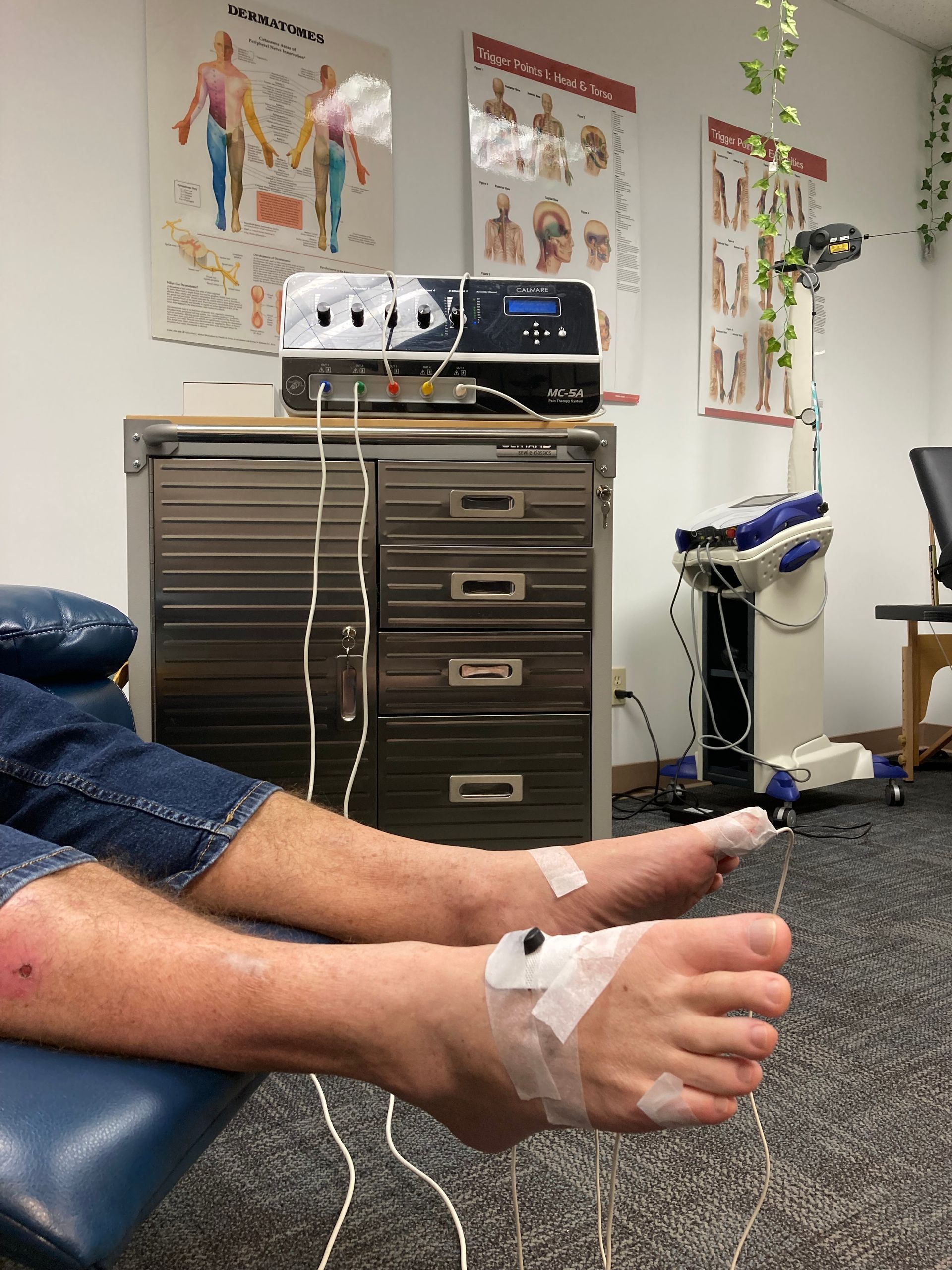
If you are reading this, you already know pain is more than an ache. It can change how you move, sleep, work, and even how safe your body feels. This article explains Scrambler Therapy in clear, simple terms and places it where it belongs: as one helpful tool inside a larger, team-based approach to pain care. What Is Scrambler Therapy? Scrambler Therapy is a non-invasive, drug-free treatment designed to help calm pain signals. Chronic pain often means the nervous system keeps sending danger messages even when tissues are no longer injured. Scrambler Therapy uses small surface electrodes placed on the skin near, but not on, the painful area. These electrodes send gentle, non-painful signals to help interrupt pain messages and support calmer signaling patterns. What Scrambler Therapy Is Not Scrambler Therapy is not surgery, injections, medication, electrical shock, or a cure for all pain. It does not replace other forms of care and works best when combined with other supportive treatments. Why It Works Best as Part of a Bigger Plan Chronic pain involves more than nerves alone. Movement, stress, sleep, emotions, and past experiences all play a role. That is why many pain specialists support a multi-disciplinary approach that may include physical therapy, massage, education, counseling, lifestyle support, and Scrambler Therapy working together. A Final Word Scrambler Therapy is not a stand-alone answer to chronic pain, but for many people it can be a meaningful and supportive part of their care. When the nervous system begins to feel safer, other approaches such as movement, hands-on care, education, and emotional support often become more effective as well. Chronic pain is complex, and managing it takes time, patience, and the right combination of tools. Your pain is real. Your experience matters. And there are options that may help support your path forward. Sidebar: Questions to Ask Your Provider About Scrambler Therapy • Is my pain likely nerve-related or influenced by the nervous system? • Could Scrambler Therapy support the treatments I am already using? • What goals would we set before starting this therapy? • How would we measure progress or improvement? • How many sessions are typically recommended? • What does it feel like during treatment? • Are there reasons this therapy might not be a good fit for me? • How can this therapy fit into a broader pain management plan? About the Author Laura Brown is a physical therapist and massage therapist with 29 years of experience. She practices in Clifton Park, NY, and focuses on integrative, patient-centered approaches to chronic pain care.

Foam Rolling: A Simple Tool to Boost Your Recovery Between Massages

Relief Rise begins with a Mind-Body approach with veteran therapist, Cindy Perlin, LCSW

**The Physical Impact of a Desk Job and How Massage Therapy Can Help**
A 2 for the price of 1 deal that's worth it.

Creating Sanctuary: The Importance of a Safe and Cozy Space
Part 2 of a 2-part series
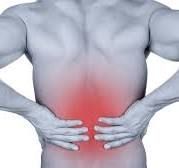
Finding Relief: A Guide to Managing Low Back Pain. Part 1