


MLS Laser Therapy: Supporting Healing as Part of a Whole-Person Pain Plan Living with chronic pain can feel like your body is working against you. Pain may limit movement, drain energy, and make even simple tasks harder than they should be. If you are living with ongoing pain, you may be searching for treatments that feel gentle, safe, and supportive. MLS Laser Therapy is one option that may help as part of a broader pain management plan. What Is MLS Laser Therapy? MLS Laser Therapy is a non-invasive, drug-free treatment that uses specific wavelengths of light to support the body’s natural healing processes. Light energy may help reduce inflammation, support tissue repair, improve circulation, and calm pain signals. During treatment, the laser device is moved slowly over the painful area. Most people feel no heat or discomfort. What Makes MLS Laser Different? MLS stands for Multiwave Locked System. This technology uses two wavelengths of light at the same time, working together to help reduce inflammation while also supporting tissue healing. This combined approach is what sets MLS Laser Therapy apart from some other laser treatments. What MLS Laser Therapy Is Not MLS Laser Therapy is not surgery, injections, medication, a quick fix, or a cure for all pain. It does not replace other treatments and works best when used alongside other supportive care. Who Might Benefit? MLS Laser Therapy is often considered for muscle or joint pain, arthritis, tendon pain, soft tissue injuries, chronic inflammation, and pain that limits movement. Responses vary, and progress may happen gradually. Why It Works Best as Part of a Bigger Plan Chronic pain is influenced by many factors, including inflammation, movement, stress, sleep, and nervous system sensitivity. A multi-disciplinary approach may include physical therapy, massage, pain education, lifestyle support, and MLS Laser Therapy working together. When inflammation and tissue irritation are reduced, movement and daily activities may feel more manageable. A Final Word MLS Laser Therapy is not meant to stand alone, but for many people it can be a valuable and supportive part of a comprehensive pain care plan. Chronic pain deserves thoughtful care that respects both the body and the person living in it. Your pain is real. Your experience matters. And supportive options are worth exploring. About the Author Laura Brown is a physical therapist and massage therapist with 30 years of experience. She practices in Clifton Park, NY, and focuses on integrative, patient-centered approaches to chronic pain care.
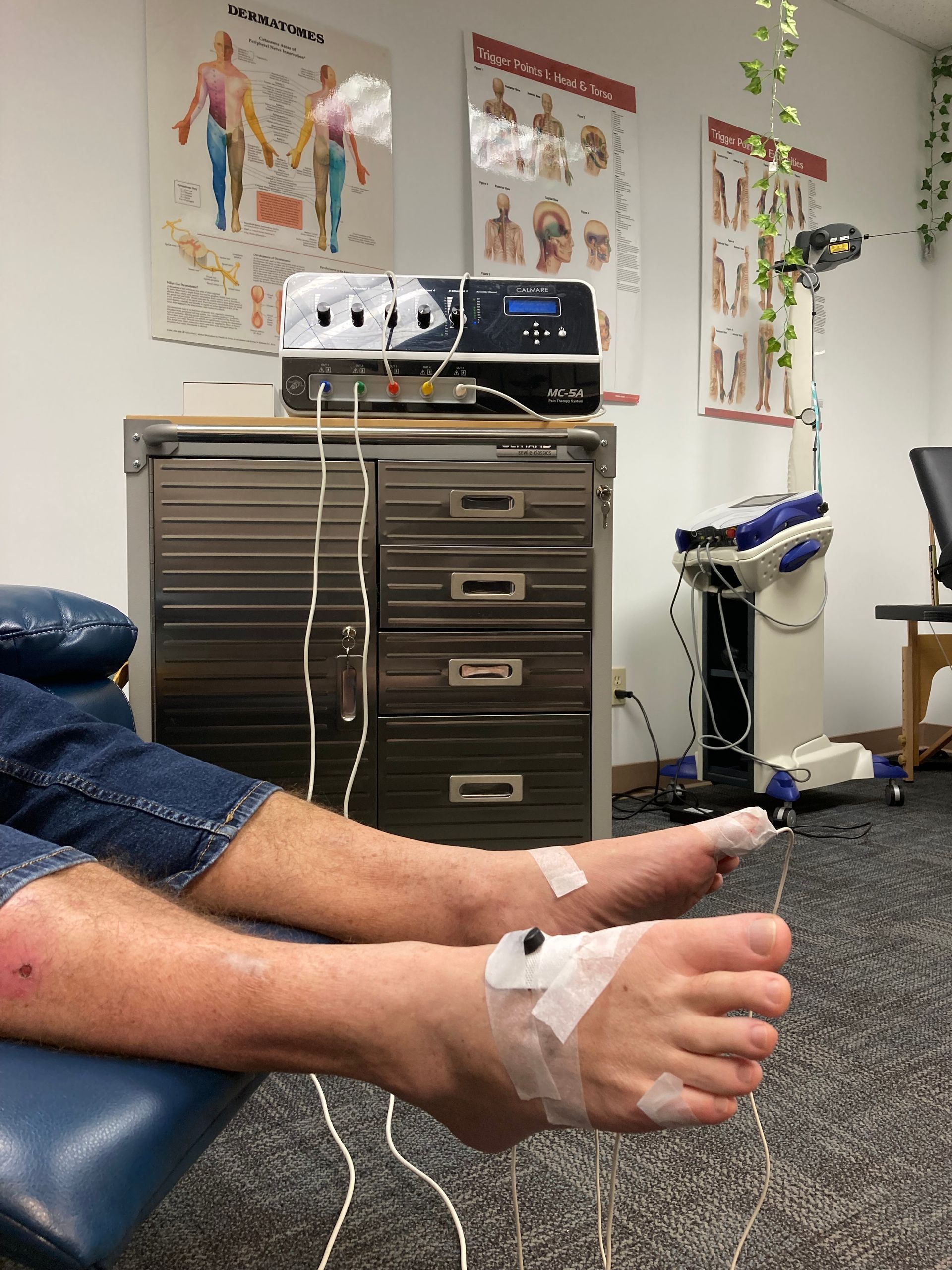
If you are reading this, you already know pain is more than an ache. It can change how you move, sleep, work, and even how safe your body feels. This article explains Scrambler Therapy in clear, simple terms and places it where it belongs: as one helpful tool inside a larger, team-based approach to pain care. What Is Scrambler Therapy? Scrambler Therapy is a non-invasive, drug-free treatment designed to help calm pain signals. Chronic pain often means the nervous system keeps sending danger messages even when tissues are no longer injured. Scrambler Therapy uses small surface electrodes placed on the skin near, but not on, the painful area. These electrodes send gentle, non-painful signals to help interrupt pain messages and support calmer signaling patterns. What Scrambler Therapy Is Not Scrambler Therapy is not surgery, injections, medication, electrical shock, or a cure for all pain. It does not replace other forms of care and works best when combined with other supportive treatments. Why It Works Best as Part of a Bigger Plan Chronic pain involves more than nerves alone. Movement, stress, sleep, emotions, and past experiences all play a role. That is why many pain specialists support a multi-disciplinary approach that may include physical therapy, massage, education, counseling, lifestyle support, and Scrambler Therapy working together. A Final Word Scrambler Therapy is not a stand-alone answer to chronic pain, but for many people it can be a meaningful and supportive part of their care. When the nervous system begins to feel safer, other approaches such as movement, hands-on care, education, and emotional support often become more effective as well. Chronic pain is complex, and managing it takes time, patience, and the right combination of tools. Your pain is real. Your experience matters. And there are options that may help support your path forward. Sidebar: Questions to Ask Your Provider About Scrambler Therapy • Is my pain likely nerve-related or influenced by the nervous system? • Could Scrambler Therapy support the treatments I am already using? • What goals would we set before starting this therapy? • How would we measure progress or improvement? • How many sessions are typically recommended? • What does it feel like during treatment? • Are there reasons this therapy might not be a good fit for me? • How can this therapy fit into a broader pain management plan? About the Author Laura Brown is a physical therapist and massage therapist with 29 years of experience. She practices in Clifton Park, NY, and focuses on integrative, patient-centered approaches to chronic pain care.

Foam Rolling: A Simple Tool to Boost Your Recovery Between Massages

Relief Rise begins with a Mind-Body approach with veteran therapist, Cindy Perlin, LCSW

A 2 for the price of 1 deal that's worth it.

Creating Sanctuary: The Importance of a Safe and Cozy Space
Part 2 of a 2-part series
Finding Relief: A Guide to Managing Low Back Pain. Part 1

Get more out of your massage and out of life by self care between sessions.

In the pursuit of a good night's sleep, many individuals are exploring innovative solutions beyond traditional remedies. One such trend that has gained significant popularity is the use of weighted blankets. These cozy and comforting blankets have made their mark not only as a fashion statement but also as a potential game-changer in the realm of sleep improvement. In this blog post, we will delve into the science behind weighted blankets and their notable effects on sleep. Understanding Weighted Blankets: Weighted blankets are specially designed blankets filled with materials like glass beads or plastic pellets to provide additional weight, typically ranging from 5 to 25 pounds. The idea behind these blankets is rooted in deep pressure stimulation (DPS), a therapeutic technique that applies firm but gentle pressure to the body, promoting relaxation and a sense of security. How Weighted Blankets Work: * Deep Pressure Stimulation (DPS): The gentle pressure applied by a weighted blanket stimulates the release of neurotransmitters such as serotonin and dopamine. These chemicals contribute to a sense of calm and well-being, making it easier for individuals to unwind and prepare for sleep. * Calming the Nervous System: Weighted blankets are believed to activate the parasympathetic nervous system, which is responsible for the body's rest and relaxation response. This activation helps counteract the effects of the sympathetic nervous system, which is associated with the "fight or flight" response. * Improving Melatonin Production: The pressure from a weighted blanket may enhance the production of melatonin, the hormone that regulates the sleep-wake cycle. A well-regulated sleep-wake cycle can lead to more restful and rejuvenating sleep. With this type of sleep people are better able to deal with other conditions, like chronic pain. Scientific Studies and Evidence: Several studies have explored the benefits of weighted blankets, particularly for individuals with conditions such as anxiety, insomnia, and sensory processing disorders. While more research is needed to fully understand the mechanisms at play, early findings suggest promising results in terms of improved sleep quality and reduced anxiety symptoms. Choosing the Right Weight: Selecting the appropriate weight for a weighted blanket is crucial. As a general guideline, a blanket should be around 10% of the user's body weight. However, individual preferences vary, so it's essential to consider personal comfort and consult with healthcare professionals if needed. Tips for Incorporating Weighted Blankets into Your Sleep Routine: * Start Slowly: If you're new to using a weighted blanket, introduce it gradually into your sleep routine to allow your body to adjust. I use a 15# weighted blanket in my massage sessions. * Choose the Right Material: Opt for breathable, hypoallergenic fabrics to ensure a comfortable and restful sleep experience. The biggest complaint I hear is that they are too hot, so keep this in mind or cool down the room. * Pair with Other Sleep Hygiene Practices: Weighted blankets work best when combined with other healthy sleep habits, such as maintaining a consistent sleep schedule, creating a relaxing bedtime routine, and ensuring a comfortable sleep environment. In other words, do not test them for failure. A pot of coffee before bed is not something a weighted blanket can overcome. Conclusion: In the quest for better sleep, weighted blankets offer a promising solution rooted in science. The calming effects of deep pressure stimulation, coupled with the potential to improve neurotransmitter release and regulate the sleep-wake cycle, make these blankets a compelling option for those seeking a natural and holistic approach to sleep improvement. As with any sleep aid, it's essential to consider individual preferences and consult with healthcare professionals if necessary. Sweet dreams await those who embrace the comforting embrace of a well-chosen weighted blanket. To read more click here ** There is an affiliate link on this website. Same quality blanket that we use in session and at a price for everyone.